

Gingivostomatitis and other Oral Diseases in Cats
When a cat is content (with itself :)), it has a calm facial expression resembling a human smile. But cats are very good at putting on a “poker face” and hiding signs of illness (including very serious gingivostomatitis), and often even a very perceptive person won’t notice anything for a long time. This is true even in severe cases such as problems with gums and oral mucosa. How to recognize the symptoms and how can I help my cat?
Cats very often suffer from the formation and accumulation of tartar. Unlike in dogs, it almost always starts on the upper molars at the back. The initial symptom is an increasing bad breath, halitosis. The second warning sign is the refusal of hard food, which is related to the sensitivity of gums and teeth. Equally common is the inability to clean their fur, the animal drools excessively, becomes aggressive, and seeks solitude. Dental plaque is associated with the development of chronic feline gingivostomatitis. The disease begins very inconspicuously with a red line on the gums, in close proximity to the teeth. This is the body’s reaction to the presence of dental plaque. If this line appears on your cat’s gums, immediately consult your veterinarian. The symptom (line on the gums) may only be a manifestation of another disease that requires different treatment, and consultation with a veterinarian is absolutely crucial (e.g., diabetes, kidney disease). Gingivostomatitis, unlike gingivitis, does not only affect the gums but attacks the entire mouth.
Are the Causes of Gingivostomatitis Known?
The exact cause of gingivostomatitis is not fully known. It is thought that the disease breaks out in cats that are hidden carriers of feline calicivirus. Calicivirus is the cause of upper respiratory tract disease in young cats. Its symptoms may include rhinitis (nasal discharge), loss of appetite, ulcers on the tongue and soft palate (erosions), and lastly, gum inflammation. However, gingivostomatitis is usually classified as an autoimmune disease, where the cat’s own disproportionate reaction to bacterial plaque is assumed.
Possibilities and Limitations of Neglected Oral Care in Cats
Gingivostomatitis is a very painful disease. It is necessary to pay increased attention to the gums because it is in the nature of cats to hide their weaknesses and pain to avoid becoming prey to other predators in nature. Very often, the owner doesn’t notice anything. This results in a deepening of the inflammation. Deep ulcers begin to form around the teeth, mucous membranes, and on the upper palate near the tonsils. The only therapy at this stage is tooth extraction, most often of all molars and very often the canines as well. The inflammation in the oral cavity disappears or decreases within 3-6 weeks.
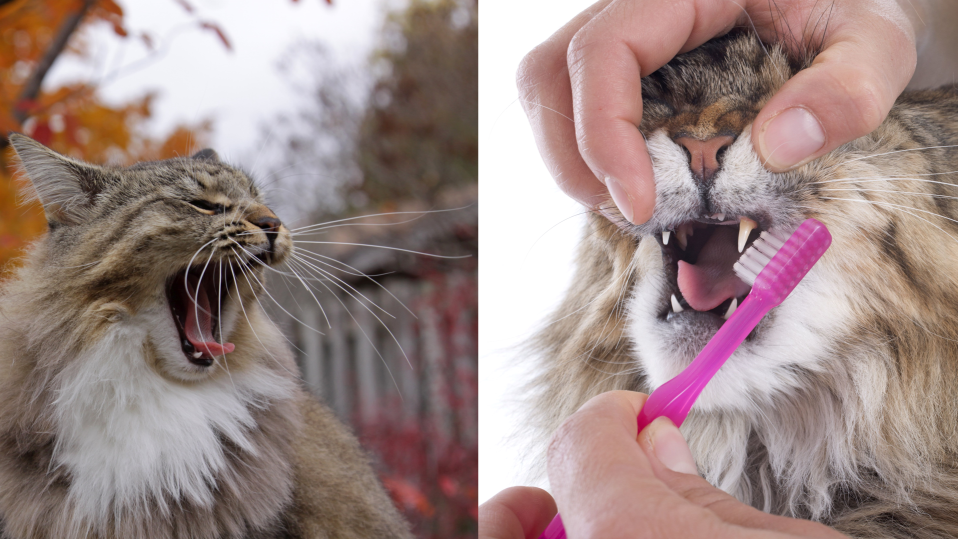
During healing, we recommend using the local hygiene product Venzymel Intensive 120. The patented composition of the products combines proteolytic enzymes and chlorhexidine, providing your animal with comprehensive 2-in-1 care. Proteolytic enzymes accelerate healing, reduce swelling, and relieve pain. Chlorhexidine ensures an antimicrobial effect. Moreover, the gels are completely flavorless, so they don’t irritate the gums and mucous membranes or cause rapid flushing with saliva and subsequent swallowing.
Breeders should prevent oral diseases through proper hygiene. This is also why Venzymel products were developed to reduce plaque accumulation.
Author: Wald Pharmaceuticals Team
How Does VENZYMEL Help?
VENZYMEL veterinary products are gentle and effective gels suitable for the hygiene of sensitive, swollen, and bruised gums after tooth extractions or other surgical procedures (VENZYMEL Intensive 120) and immediately after procedures in home care. Thanks to chlorhexidine content, they have antimicrobial effects and reduce infection risk. Proteolytic enzymes help accelerate wound healing.
In long-term home care for pet gums, VENZYMEL helps reduce microbial load, dental plaque accumulation, and thus reduces bad breath (VENZYMEL Prevent 35). Non-foaming mucoadhesive VENZYMEL gels are flavorless and can help heal minor injuries. Thanks to the content of adhesive components, they last longer on gums and mucous membranes, allowing for a longer duration of action of the active ingredients. VENZYMEL gels can be applied to affected areas, but also used as an alternative to toothpaste for mechanical cleaning with a toothbrush. The active ingredients in VENZYMEL products are a patented combination of proteolytic enzymes and the antiseptic chlorhexidine. Proteolytic enzymes accelerate soft tissue healing and significantly enhance the antimicrobial effect of chlorhexidine. As a result, VENZYMEL gels contain up to 4 times lower concentration of chlorhexidine but have the same antimicrobial efficacy as commonly used chlorhexidine products. This allows VENZYMEL gels to be used for a longer period and without side effects.