
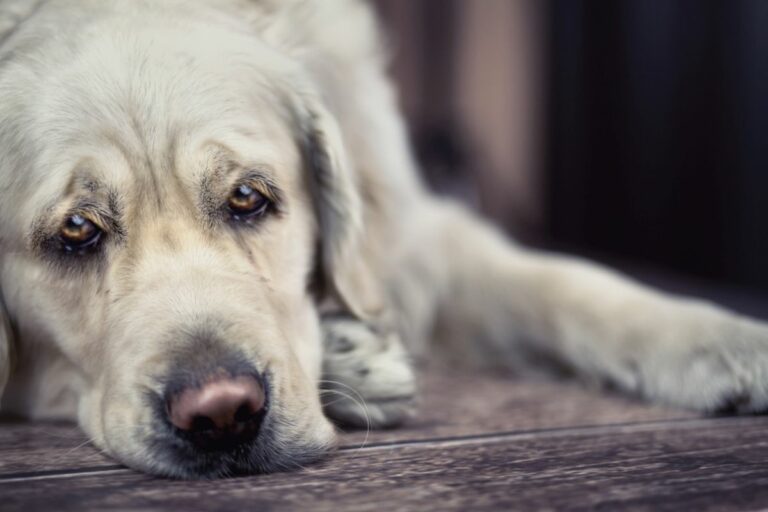
Gum Inflammation in Dogs or Cats Can Lead to Loss of Appetite, Disinterest in Play, or Increased Nervousness.
Gum inflammation, or gingivitis, is the most widespread oral disease. It is caused by bacteria commonly found on teeth and gums. Without proper hygiene, these bacteria form a biofilm or plaque, which is much more harmful than the bacteria themselves. Long-term unremoved plaque leads to the formation of tartar, which can then only be safely and completely removed in a veterinary clinic.
Dangers of Untreated Inflammation
If left untreated, inflammation can have consequences for the animal’s entire body. Bacteria from the oral cavity can enter the bloodstream and spread throughout the body, worsening or even causing other serious diseases. The most common symptoms of inflammation are redness, swelling, pain, and bleeding. Milder gum inflammation is a reversible condition, and improving the animal’s hygiene habits is usually sufficient for its correction. If the condition persists for an extended period, it typically progresses to a chronic stage (a state where the animal’s body has adapted to this new inflammatory ‘normal’ and no longer ‘remembers’ the original ‘healthy’ state). Such chronic inflammation can then develop into periodontitis, which is an irreversible condition, as it leads to bone loss in the jaw that supports the teeth, causing them to loosen and potentially fall out.
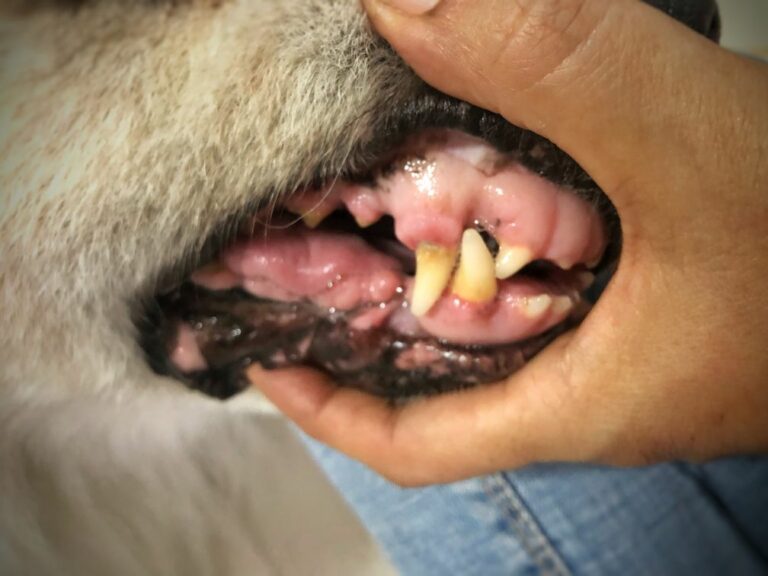
Smaller dog breeds suffer from gum disease significantly more often and earlier than larger breeds. This is due to the limited self-cleaning ability of their small oral cavity and small interdental spaces. Larger breeds have wider interdental spaces and primarily suffer from gum inflammation, plaque, and tartar accumulation in later life.
Veterinary Visit
If you observe inflammatory signs, changes in appetite, disinterest in play, or increased nervousness in your pet, consult a veterinarian or book an appointment directly with a veterinary dentist.
Author: Wald Pharmaceuticals Team
How Does VENZYMEL Help?
Following professional dental scaling and to support effective oral hygiene, we recommend comprehensive Venzymel oral products. Immediately after the procedure, we recommend using
The patented formula combines proteolytic enzymes and chlorhexidine, providing your pet with comprehensive 2-in-1 care. Proteolytic enzymes accelerate healing, reduce swelling, and relieve pain. Chlorhexidine provides an antimicrobial effect. Venzymel gels are also completely flavorless, so they do not irritate the gums and mucous membranes, nor do they cause rapid washout by saliva and subsequent swallowing. You can find out which product to choose (based on chlorhexidine concentration) here. The products can be purchased at veterinary clinics, pharmacies (usually by order), or in our shop.