
What Causes Bad Breath in Dogs?
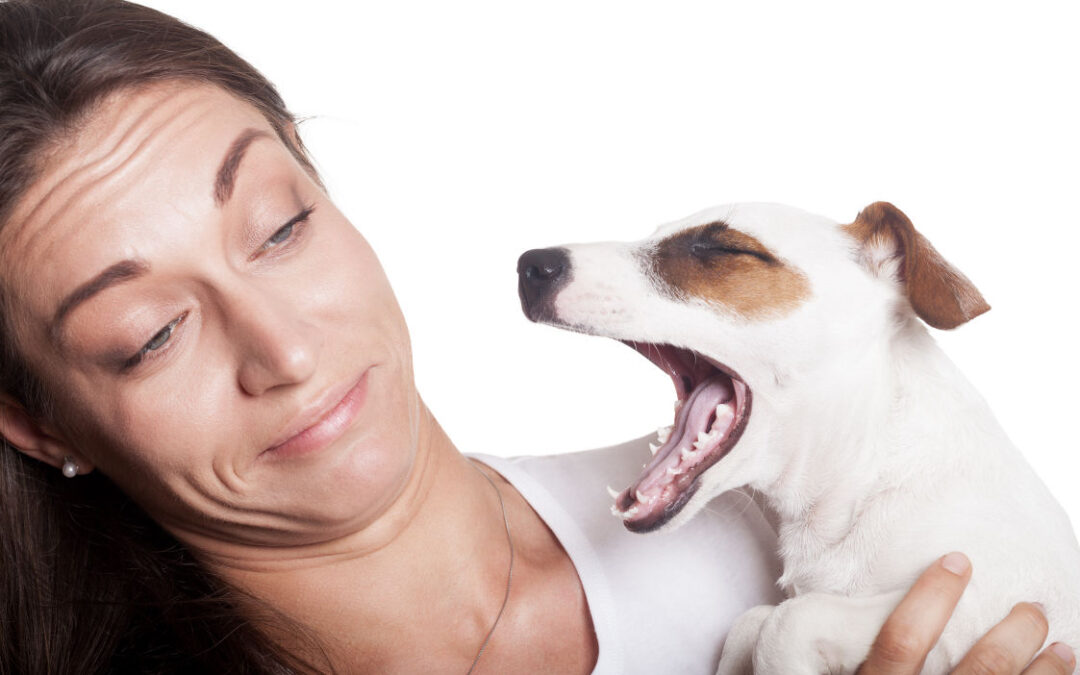
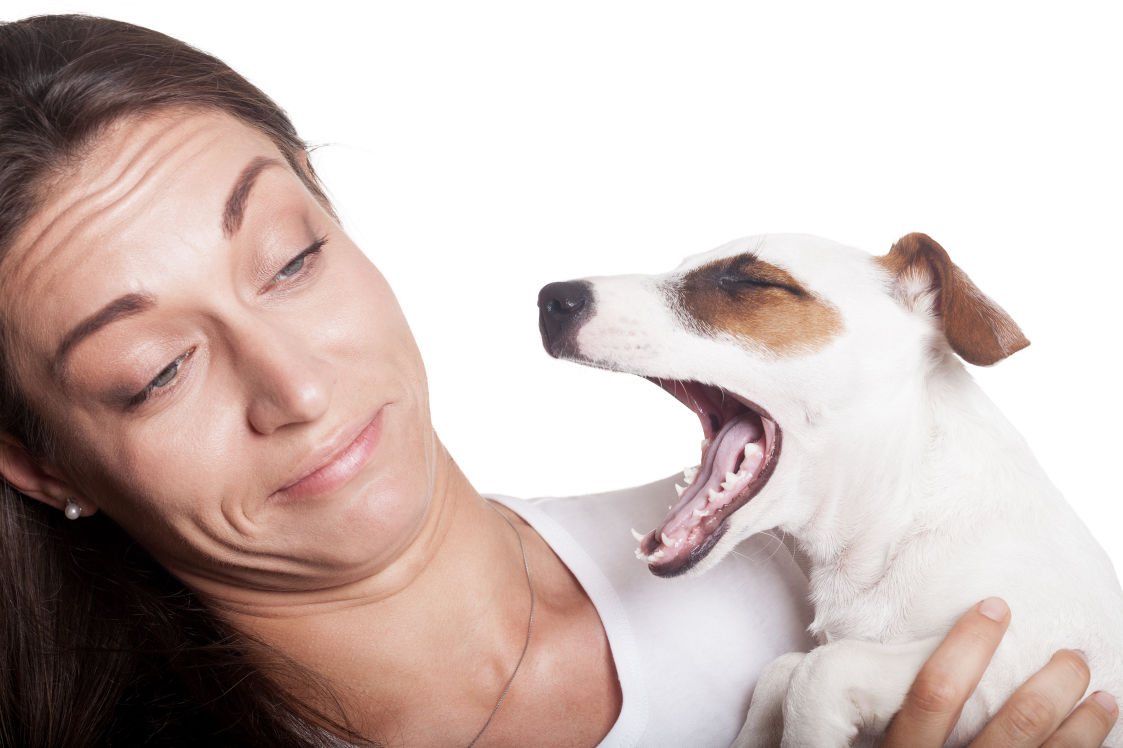
Bad breath in our canine companions is one of the most common problems. Every dog has its specific breath odor, which shouldn’t change significantly throughout their life. If it does change, you should pay attention. Bad dog breath (halitosis) usually indicates insufficient dental care.
Gum Inflammation is the most Common Cause of Bad Breath
Dogs are not as prone to dental cavities as humans. However, the most commonly diagnosed condition is periodontitis, and one of its symptoms is unpleasant breath. The biggest problem in dogs is the accumulation of dental plaque and tartar formation, which is the primary cause of gingivitis (gum inflammation) and subsequently periodontitis (serious inflammation of gums and periodontal ligament). Food particles get stuck between teeth, decompose due to saliva and bacteria, leading to plaque and tartar buildup. The dog’s age and diet also play a role. Sticky food consistency promotes plaque accumulation.
Diseased Teeth and Gums Can be Life-Threatening for Dogs
When oral cavity problems are neglected, bacteria can spread throughout the body and affect other organs. Of course, bad breath doesn’t always indicate poor hygiene. Dog breath odor can also indicate various other conditions, such as digestive and stomach problems, liver or kidney disorders, or even ear infections.
How Can I Help My Dog?
If you notice changes in your dog’s breath, swollen, red gums, and yellowish-brown coating on teeth, or chewing problems, you should contact your veterinarian. Regular mechanical cleaning is the cornerstone of successful oral care for your dog. If tartar has already formed, you need to visit a veterinarian immediately, who will anesthetize the dog and remove the tartar using ultrasound and clean the teeth. This condition occurs more frequently in small and medium-sized breeds.
Author: Wald Pharmaceuticals Team
How Can VENZYMEL Help?
For long-term home care of pet’s gums, VENZYMEL PREVENT 35 helps reduce microbial load, plaque buildup, and thus bad breath. To accelerate healing after procedures and for subsequent care, we recommend using the veterinary enzyme gel VENZYMEL INTENSIVE 120.
The patented product formulation combines proteolytic enzymes and chlorhexidine to provide your pet with comprehensive 2-in-1 care.
Proteolytic enzymes not only accelerate healing, reduce swelling, and relieve pain, but also prevent plaque from re-forming. Chlorhexidine provides antimicrobial effect. The gels are completely flavorless, so they don’t irritate gums and mucous membranes or get quickly washed away by saliva and swallowed. They are available
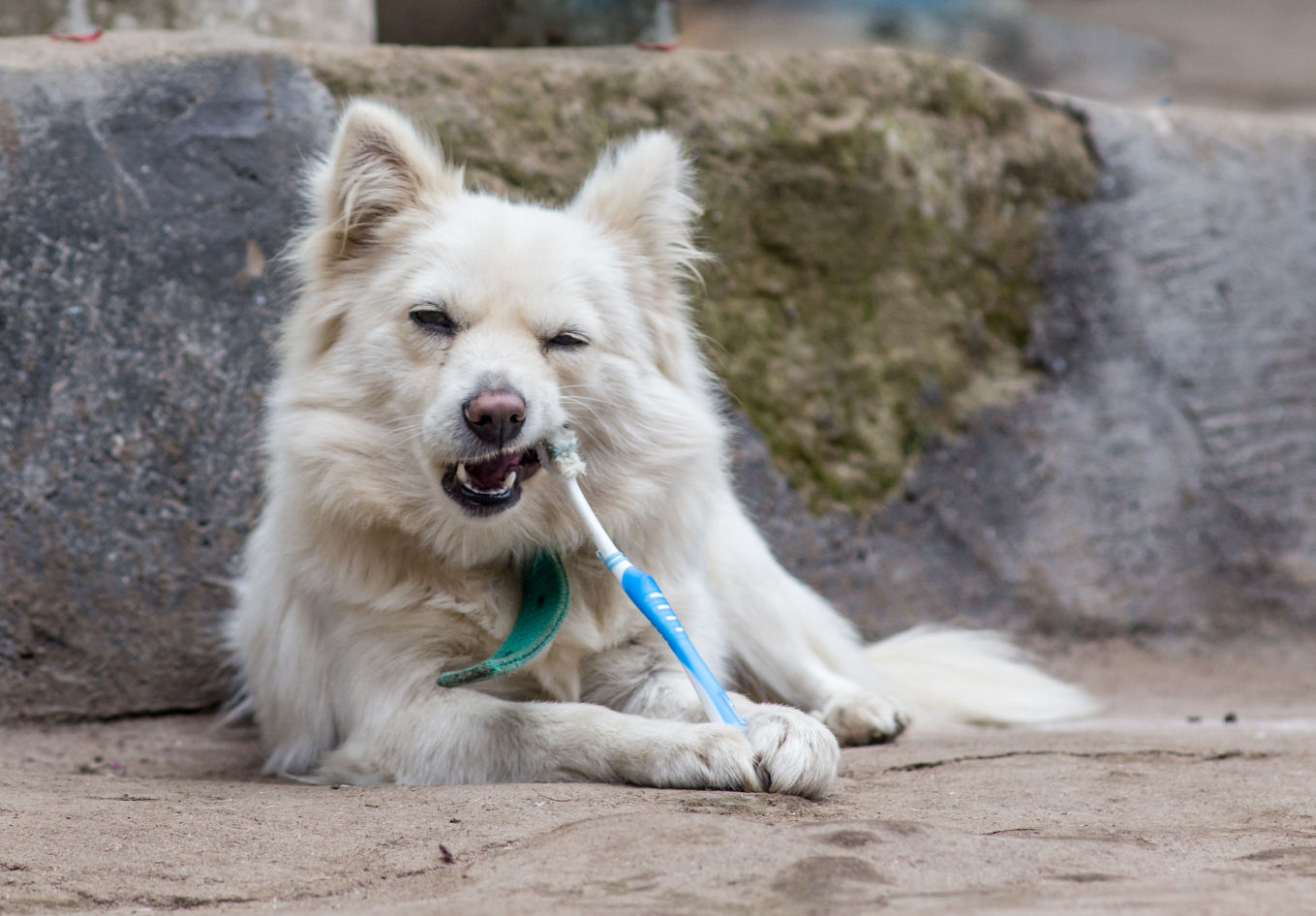
Using an appropriate toothbrush and Venzymel products, you can achieve reduced microbial load in your dog’s mouth, preventing not only tartar formation but also achieving bacterial balance and eliminating bad breath in your dog’s mouth.
VENZYMEL gels contain up to 4 times lower concentration of chlorhexidine but have the same antimicrobial efficacy as commonly used chlorhexidine products. This allows VENZYMEL gels to be used for longer periods without side effects.