
Tooth Extraction in Dogs and Cats
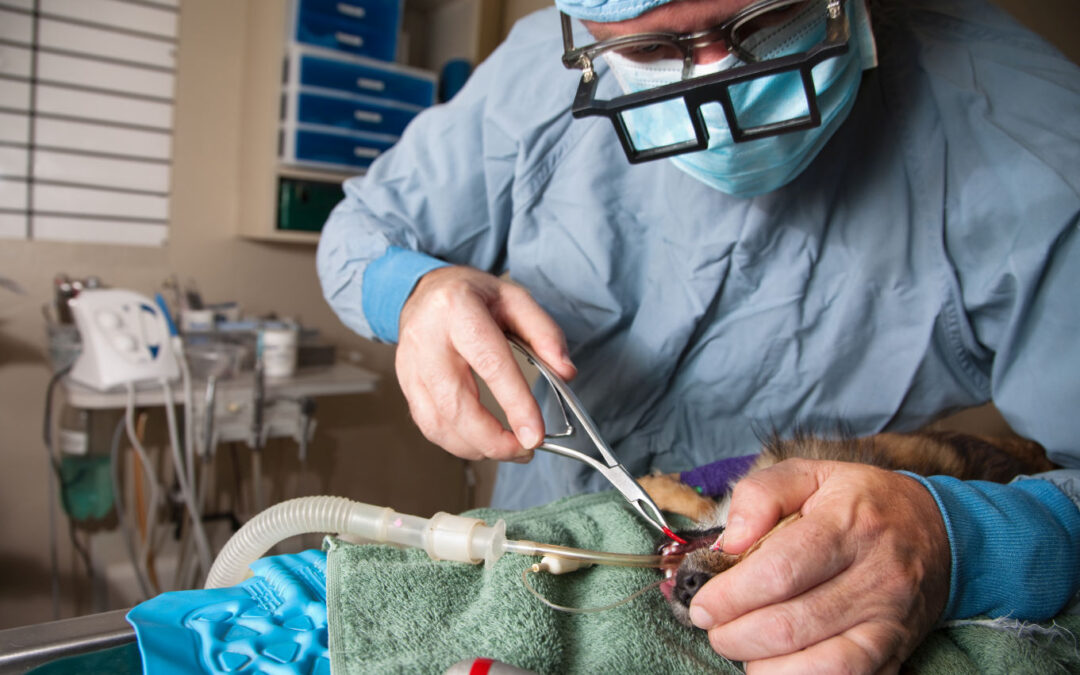
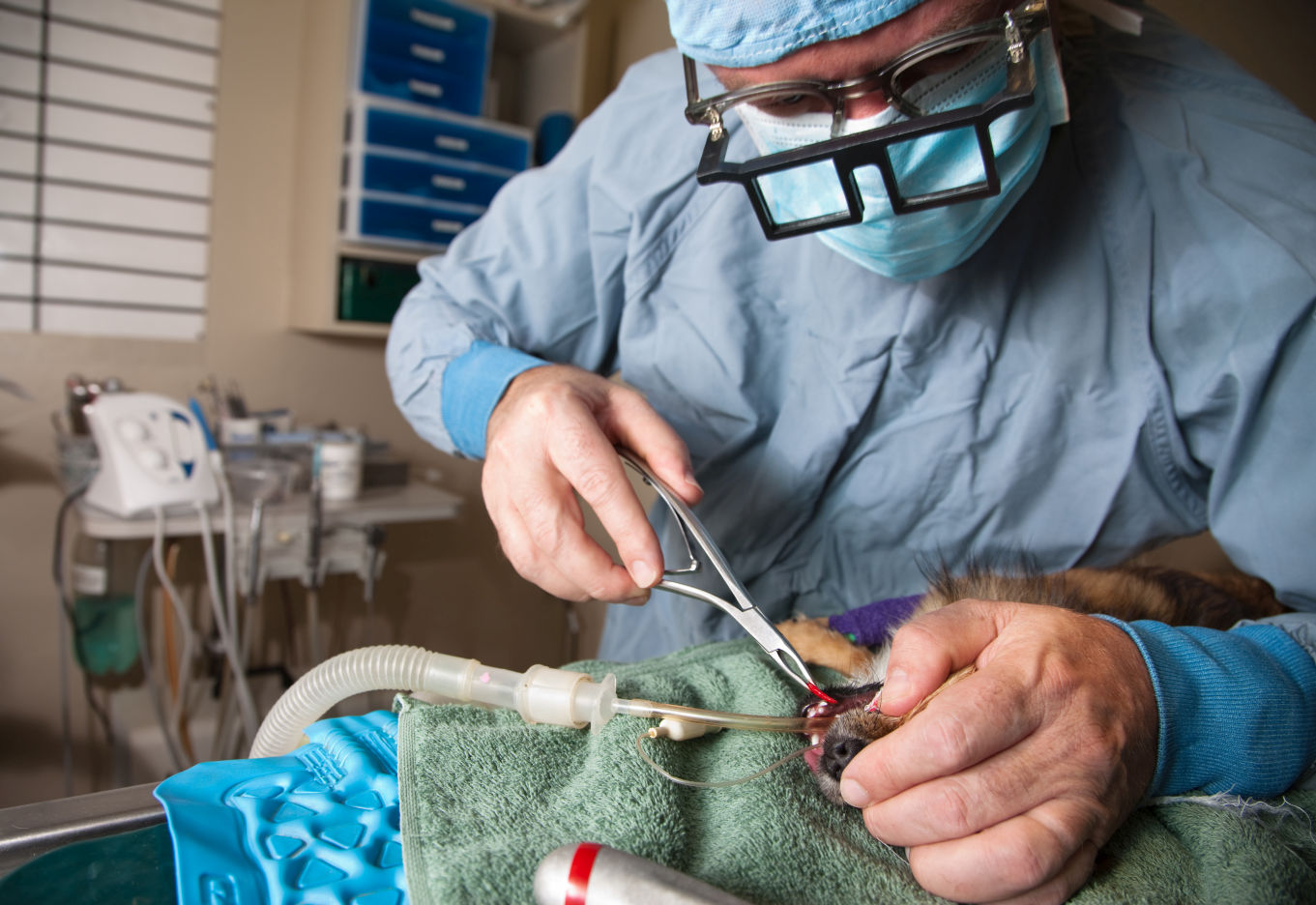
Pets may need tooth extraction at any age. In young animals, it most commonly involves extracting baby teeth, while in older ones, it may be due to an untreated tooth fracture or decay. Although pets are less prone to tooth decay than humans, older dogs may experience tooth decay more frequently. This is usually a consequence of dental plaque, tartar, gum inflammation, and periodontitis.
Extracting irreversibly damaged teeth is a better solution than exposing the animal to persistent pain or the risk of microbial infection. Tooth extraction in pets requires increased attention to oral cavity cleaning, not only immediately after the procedure. The gums are traumatized, and wound healing and bone remodeling can take several months.

What Happens after Tooth Extraction and how to Care for your Pet?
The extraction itself is performed under anesthesia, and extraction wounds sometimes need to be sutured. The animal has likely received pain and anti-inflammatory medication via injection. In cases of existing gum inflammation, antibiotics were also prescribed. In the first days after the procedure, the gums are swollen and painful. The treated teeth cannot be immediately brushed. However, it is advisable to resume dental care as soon as possible.
Author: Wald Pharmaceuticals Team
How Does VENZYMEL Help?
VENZYMEL veterinary products are gentle and effective gels suitable for the hygiene of sensitive, swollen, and bruised gums after tooth extractions or other surgical procedures (VENZYMEL Intensive 120) and immediately after procedures in home care. Thanks to chlorhexidine content, they have antimicrobial effects and reduce infection risk. Proteolytic enzymes help accelerate wound healing.
For long-term home care of pet gums, VENZYMEL helps reduce microbial load, dental plaque formation, and thus bad breath (VENZYMEL Prevent 35). Non-foaming mucoadhesive VENZYMEL gels are flavorless and can help heal minor wounds. Thanks to adhesive components, they stay longer on gums and mucous membranes, allowing for extended active ingredient effectiveness.
VENZYMEL gels can be applied to affected areas and also used as an alternative to toothpaste for mechanical cleaning with a toothbrush. The active ingredients in VENZYMEL products are a patented combination of proteolytic enzymes and chlorhexidine antiseptic. Proteolytic enzymes accelerate soft tissue healing and significantly enhance chlorhexidine’s antimicrobial effect. As a result, VENZYMEL gels contain up to 4 times lower chlorhexidine concentration but have the same antimicrobial efficacy as commonly used chlorhexidine products. This allows VENZYMEL gels to be used for longer periods without side effects.